
How to Build a Microservices Communication Layer
Problem
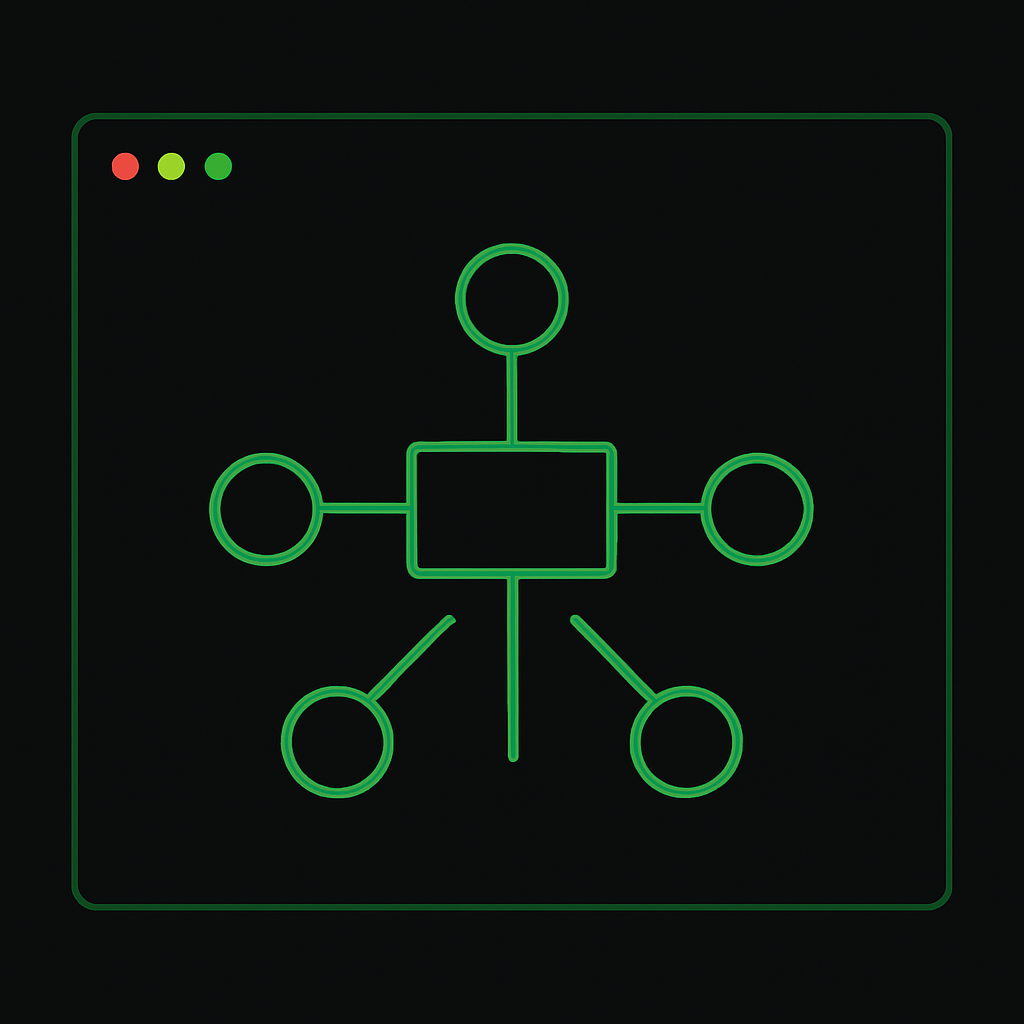
In microservices architecture, services often need to communicate with each other to fulfill business requirements. However, building a robust communication layer can be challenging due to the need for scalability, resilience, and fault tolerance. Direct HTTP/REST calls between services can lead to tight coupling and increased latency. Therefore, implementing an efficient communication strategy is crucial for the overall system performance and reliability.
Solution with Code
A common solution is to use message brokers such as RabbitMQ or Apache Kafka for asynchronous communication. This allows services to be loosely coupled and handle requests more efficiently. Here, we'll demonstrate a basic setup using RabbitMQ.
Setting Up RabbitMQ
First, ensure RabbitMQ is installed and running:
docker run -d --name rabbitmq -p 5672:5672 -p 15672:15672 rabbitmq:3-management
Producer Service
A producer service sends messages to the RabbitMQ exchange:
const amqp = require('amqplib');

async function sendMessage() {
  try {
    const connection = await amqp.connect('amqp://localhost');
    const channel = await connection.createChannel();
    const exchange = 'logs';
    const msg = 'Hello, Microservices!';

    await channel.assertExchange(exchange, 'fanout', { durable: false });
    channel.publish(exchange, '', Buffer.from(msg));

    console.log(" [x] Sent %s", msg);

    setTimeout(() => {
      connection.close();
    }, 500);
  } catch (error) {
    console.error(error);
  }
}

sendMessage();
Consumer Service
A consumer service listens for messages from the RabbitMQ exchange:
const amqp = require('amqplib');

async function receiveMessage() {
  try {
    const connection = await amqp.connect('amqp://localhost');
    const channel = await connection.createChannel();
    const exchange = 'logs';

    await channel.assertExchange(exchange, 'fanout', { durable: false });
    const q = await channel.assertQueue('', { exclusive: true });

    console.log(" [*] Waiting for messages in %s. To exit press CTRL+C", q.queue);
    channel.bindQueue(q.queue, exchange, '');

    channel.consume(q.queue, (msg) => {
      if (msg.content) {
        console.log(" [x] Received %s", msg.content.toString());
      }
    }, { noAck: true });
  } catch (error) {
    console.error(error);
  }
}

receiveMessage();
Key Concepts
-
Asynchronous Communication: By using message brokers, services can communicate without waiting for each other's responses, thus improving efficiency and scalability.
-
Decoupling: Message brokers facilitate loose coupling between services, allowing independent deployment and scaling.
-
Fault Tolerance: Ensures that messages are not lost in case of service failure, as they can be re-queued and processed later.
By setting up a communication layer with RabbitMQ, you enable your microservices to communicate efficiently and reliably, preparing your architecture for scale and resilience.