
How to Implement API Request Batching
Problem
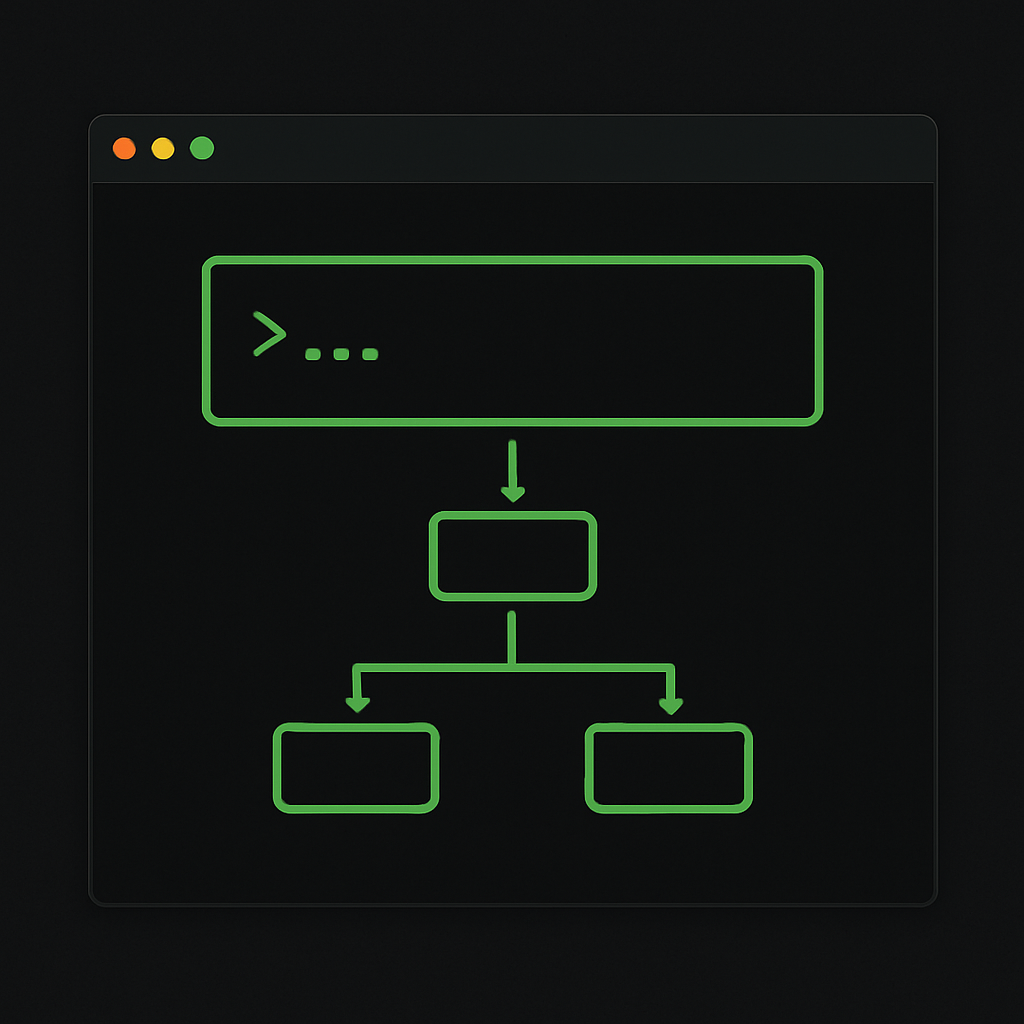
APIs often face performance bottlenecks due to high volumes of individual requests. Each request carries overhead, such as connection setup and teardown, latency, and processing time. These factors can degrade performance, especially when an application needs to call the API multiple times within a short period. Request batching is a technique to mitigate this issue by combining multiple API requests into a single request, reducing overhead and improving efficiency.
Solution with Code
To implement API request batching, you need a server-side endpoint that can handle batch requests and a client-side mechanism to aggregate requests.
Server-Side: Node.js Example
Set up an endpoint to handle batch requests. This endpoint will receive an array of API requests, process each one, and return the results in a single response.
const express = require('express');
const app = express();
app.use(express.json());

app.post('/batch', async (req, res) => {
  const requests = req.body; // Array of request objects
  const results = await Promise.all(requests.map(async request => {
    try {
      // Simulate individual request processing
      const result = await processRequest(request);
      return { success: true, data: result };
    } catch (error) {
      return { success: false, error: error.message };
    }
  }));

  res.json(results);
});

const processRequest = async (request) => {
  // Simulate request processing logic
  return `Processed ${request.endpoint}`;
};

app.listen(3000, () => {
  console.log('Batch API server running on port 3000');
});
Client-Side: JavaScript Example
On the client side, gather requests and send them in a single batch.
const batchRequests = async (requests) => {
  try {
    const response = await fetch('/batch', {
      method: 'POST',
      headers: { 'Content-Type': 'application/json' },
      body: JSON.stringify(requests),
    });
    const results = await response.json();
    console.log('Batch results:', results);
  } catch (error) {
    console.error('Batch request failed:', error);
  }
};

// Example usage
const requests = [
  { endpoint: '/api/resource1', method: 'GET' },
  { endpoint: '/api/resource2', method: 'POST', data: { key: 'value' } },
];

batchRequests(requests);
Key Concepts
-
Batch Endpoint: This is a dedicated endpoint designed to accept multiple requests in a single call, process them individually, and return their results collectively.
-
Request Aggregation: On the client side, gather multiple requests to be sent together. This minimizes the number of HTTP connections and overall latency.
-
Response Handling: The server must handle both successful and failed requests within the batch, allowing the client to process results accordingly.
Implementing request batching can significantly improve the performance of API interactions by reducing overhead and latency, especially in environments with high-frequency request patterns.