
How to Use Redis Pub/Sub for Real-Time Updates
Problem
Implementing real-time updates in applications can be complex and resource-intensive. Traditional polling methods often lead to inefficient use of resources and increased latency. For applications such as chat systems, live notifications, or streaming data updates, a more efficient solution is required. Redis Pub/Sub offers a robust and scalable way to handle real-time messaging.
Solution with Code
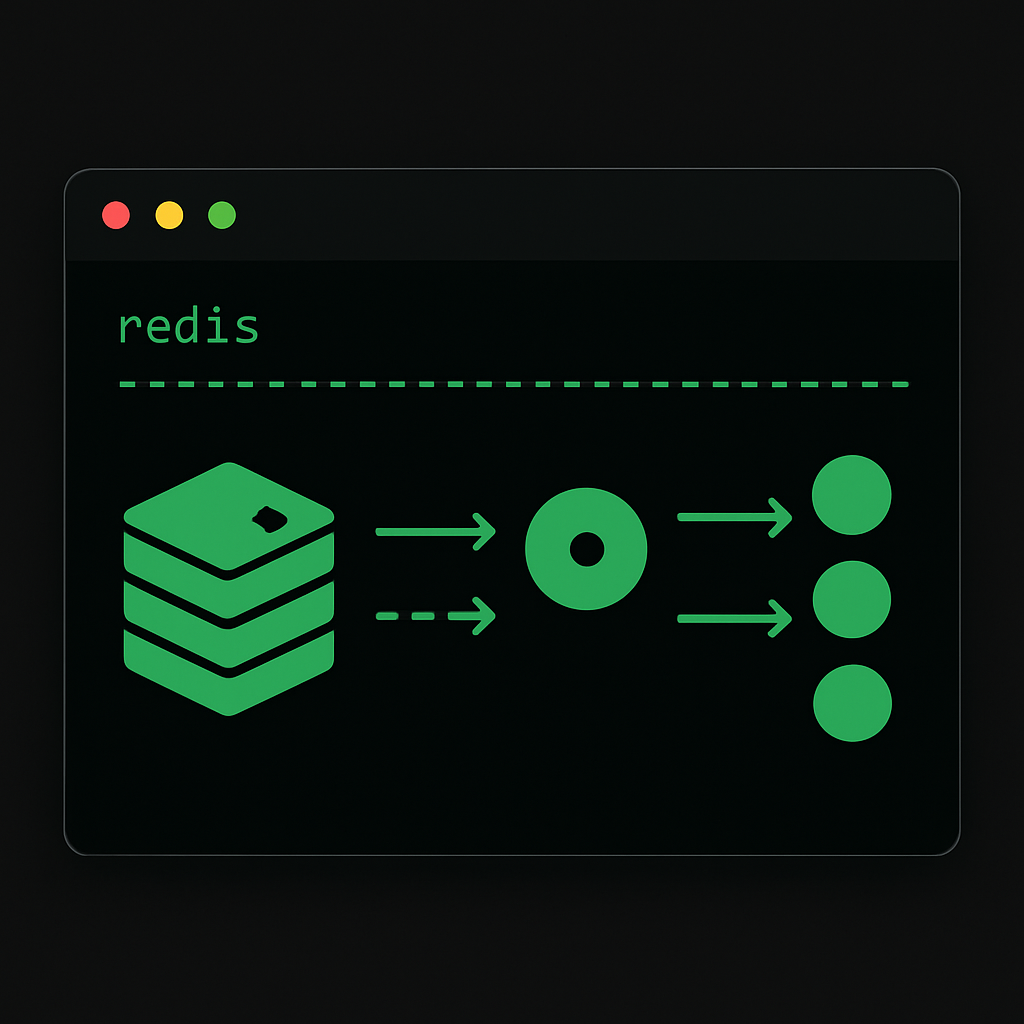
Redis Pub/Sub allows you to publish messages to channels which subscribers can listen to, enabling real-time communication between different parts of your system without the need for polling.
Setting Up Redis
First, ensure you have Redis installed. You can start a Redis server using:
redis-server
Python Example
Below is a basic implementation demonstrating how to use Redis Pub/Sub in Python.
Publisher
import redis

def publish_message(channel, message):
    r = redis.StrictRedis(host='localhost', port=6379, db=0)
    r.publish(channel, message)

if __name__ == "__main__":
    publish_message('updates', 'Hello, this is a real-time message!')
Subscriber
import redis

def subscribe_to_channel(channel):
    r = redis.StrictRedis(host='localhost', port=6379, db=0)
    pubsub = r.pubsub()
    pubsub.subscribe(channel)

    print(f"Subscribed to {channel}. Waiting for messages...")

    for message in pubsub.listen():
        if message['type'] == 'message':
            print(f"Received message: {message['data'].decode('utf-8')}")

if __name__ == "__main__":
    subscribe_to_channel('updates')
Key Concepts
- Publisher: An entity that sends messages to a specific channel.
- Subscriber: An entity that listens for messages on a specific channel.
- Channel: A named conduit through which messages are transmitted.
Execution
- Run the Redis server.
- Execute the subscriber script to listen on the desired channel.
- Execute the publisher script to send a message to the channel.
- Observe real-time message updates in the subscriber's output.
Conclusion
Redis Pub/Sub is an effective way to handle real-time messaging within your applications. By leveraging Redis's lightweight and fast messaging capabilities, you can significantly reduce latency and resource consumption compared to traditional polling methods. This setup is ideal for applications that require instant data updates and ensures a seamless user experience.