
Research: Blockchain Scalability - Layer 1 vs Layer 2
Abstract
Blockchain technology has revolutionized the digital world, yet its scalability remains a significant challenge. This research explores the scalability issues inherent in blockchain systems, focusing on Layer 1 and Layer 2 solutions. By examining the technical differences and capabilities of these layers, we aim to provide insights into how they can enhance transaction throughput, reduce latency, and improve overall efficiency. Our analysis is crucial for developers, investors, and stakeholders looking to optimize blockchain applications.
Methodology
Our research employs a comprehensive literature review and technical analysis of existing blockchain architectures. We evaluated various blockchain platforms, contrasting their Layer 1 and Layer 2 solutions. Layer 1 refers to the base layer of the blockchain, responsible for consensus mechanisms and data structures. Layer 2 solutions, on the other hand, are secondary frameworks or protocols built on top of the base layer to improve scalability.
-
Literature Review: We sourced information from peer-reviewed articles, whitepapers, and official blockchain documentation to understand the current landscape of blockchain scalability solutions.
-
Technical Analysis: We conducted a comparative study of several blockchain platforms, including Bitcoin and Ethereum, examining their respective Layer 1 and Layer 2 mechanisms.
-
Case Studies: Real-world implementations of Layer 1 and Layer 2 solutions were analyzed to assess their effectiveness in improving scalability.
Key Findings
-
Layer 1 Scalability: Layer 1 solutions focus on optimizing the base blockchain protocol to handle more transactions. This can involve increasing block sizes or altering consensus algorithms. However, these approaches often face limitations due to the trade-off between decentralization, security, and scalability.
-
Layer 2 Scalability: Layer 2 solutions offer significant improvements by processing transactions off the main blockchain (e.g., Lightning Network for Bitcoin, Plasma for Ethereum). These solutions can achieve faster transaction speeds and lower costs, making them more viable for high-frequency applications.
-
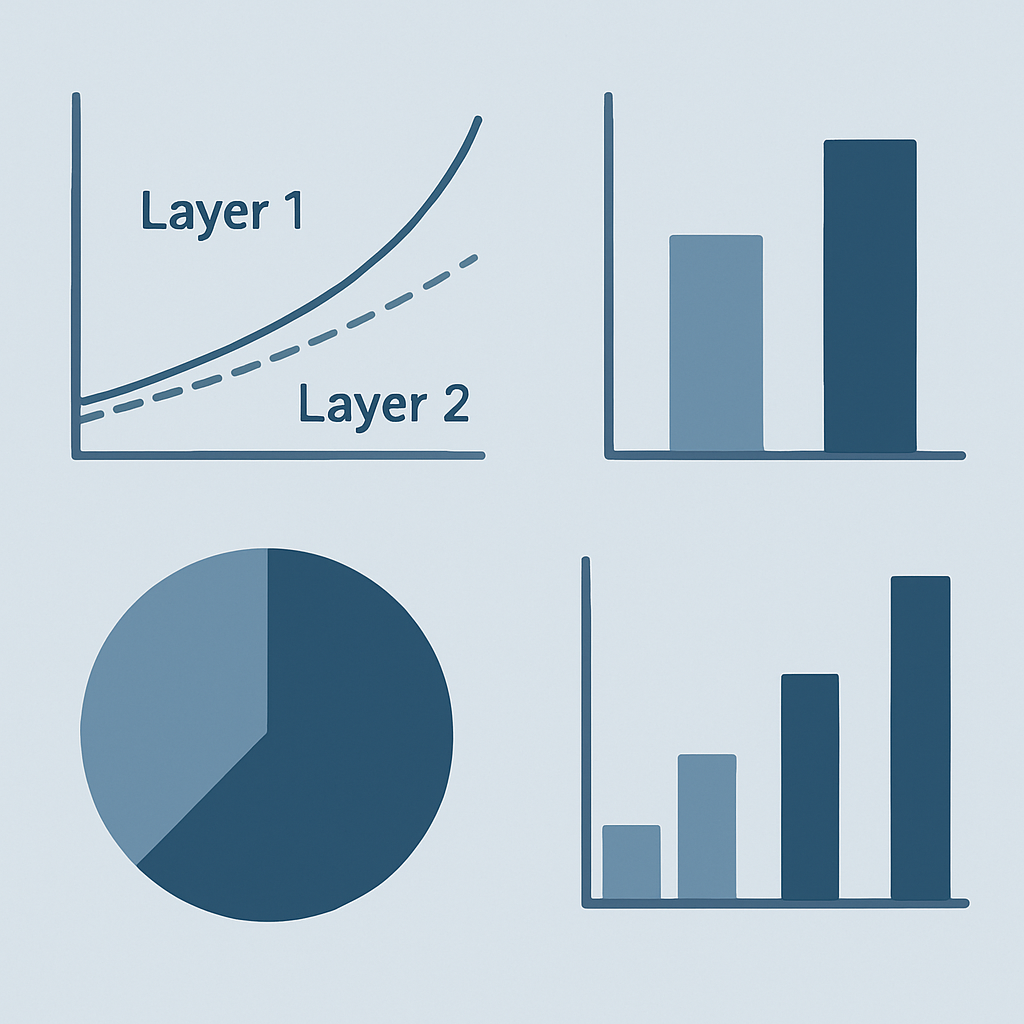
Comparative Efficiency: Layer 2 solutions generally provide better scalability improvements than Layer 1 modifications alone. However, the integration complexity and reliance on the robustness of the underlying Layer 1 chain can be a limiting factor.
-
Security Considerations: While Layer 2 solutions can enhance performance, they introduce additional security risks. Each layer must be carefully integrated to prevent vulnerabilities.
Video Reference
For a deeper understanding of blockchain layers, watch "What Are Altchains? Layer 0, Layer 1, And Layer 2 Explained" by CoinGecko on YouTube. This video provides a comprehensive overview of the different layers within blockchain technology.
References
- Scalability in Blockchain: A Survey - An in-depth survey exploring various scalability solutions in blockchain technology.
- Ethereum Plasma: Scalable Autonomous Smart Contracts - A whitepaper detailing the Plasma framework for scalable Ethereum smart contracts.
- Bitcoin Lightning Network - A paper describing the Lightning Network, a Layer 2 solution for Bitcoin aimed at improving transaction throughput.
Future Trends
The future of blockchain scalability is likely to involve a blend of Layer 1 and Layer 2 solutions. As blockchain adoption increases, the demand for scalable, secure, and decentralized systems will drive innovation. Future trends may include the development of more sophisticated Layer 2 protocols and enhancements to Layer 1 architectures, such as sharding and advanced consensus algorithms. Additionally, the integration of artificial intelligence (AI) could optimize transaction processing and resource allocation, further enhancing blockchain scalability.
Verdict
Both Layer 1 and Layer 2 solutions are crucial for addressing blockchain scalability challenges. Layer 1 improvements provide foundational enhancements, while Layer 2 solutions offer practical scalability for real-world applications. For stakeholders looking to invest or develop in the blockchain space, understanding these layers' dynamics is essential. To track investments effectively and stay informed, consider using tools like the JSON-based Investment Tracker offered by Verdict. This tool can help manage and optimize blockchain-related portfolios, ensuring informed decision-making in a rapidly evolving ecosystem.