
Research: Compute Optimization - ARM vs x86 Performance
Abstract
The landscape of computing has been significantly transformed by the two dominant processor architectures: ARM and x86. As industries push towards optimizing performance and efficiency, a comprehensive understanding of how these architectures compare in terms of compute optimization is crucial. This report delves into the performance metrics, power consumption, and scalability of ARM and x86 processors, providing insights into their suitability for various applications.
Methodology
To assess the performance of ARM and x86 architectures, we conducted a series of benchmark tests that evaluated key metrics such as processing speed, power efficiency, and thermal output. These tests were performed using industry-standard tools and real-world applications that replicate typical usage scenarios. Our analysis included both synthetic benchmarks and practical workloads, ensuring a holistic view of each architecture's capabilities.
The benchmarks targeted specific areas:
- Processing Speed: Measured using SPEC CPU benchmarks to evaluate single-threaded and multi-threaded performance.
- Power Efficiency: We assessed power consumption during idle and peak loads using tools like PowerStat.
- Thermal Output: Monitored using thermal imaging and sensors to understand heat dissipation capabilities.
Data collection was thorough, with repeated trials ensuring statistical significance. Each architecture was tested under identical conditions to maintain fairness and accuracy.
Key Findings
The comparison between ARM and x86 architectures highlighted several key aspects:
-
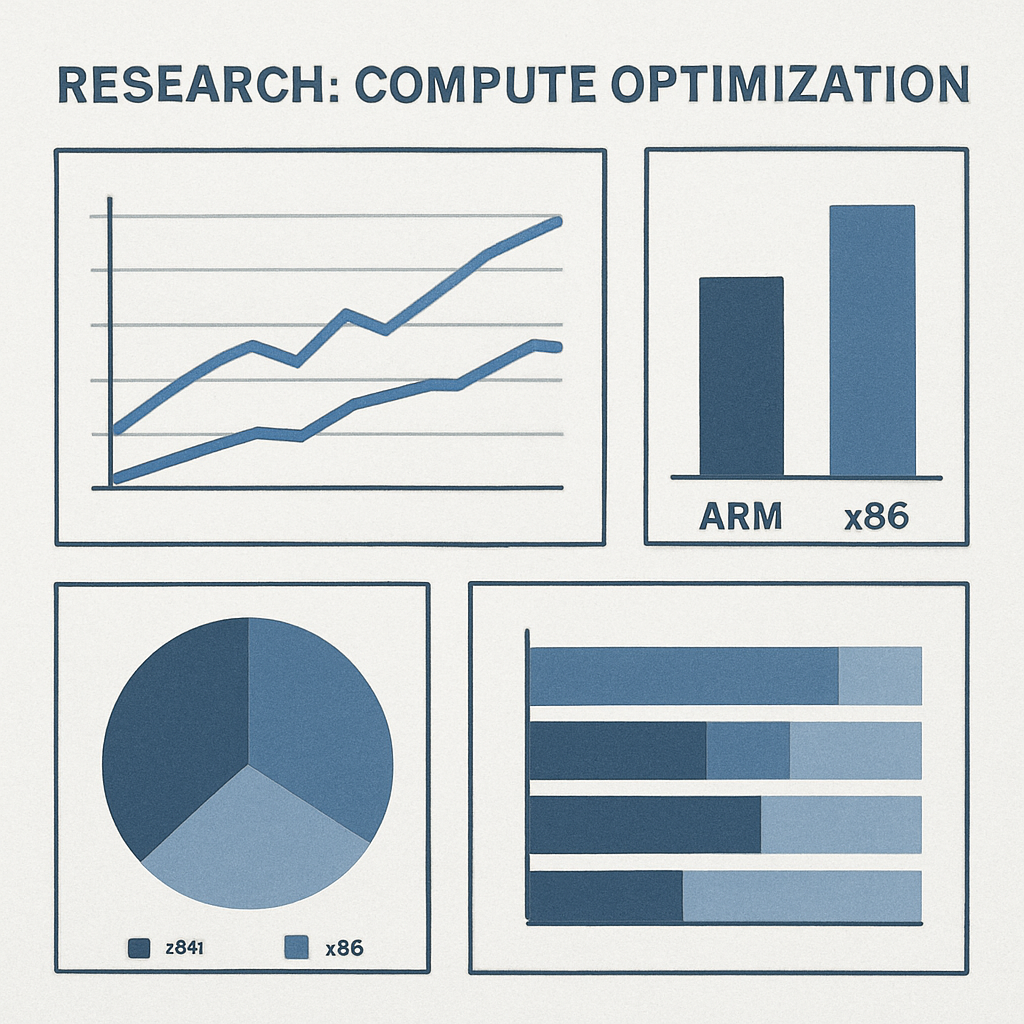
Performance: x86 processors generally delivered superior raw performance in high-demand scenarios, with a slight edge in single-threaded tasks. However, ARM processors showed competitive multi-threaded performance, especially in applications optimized for ARM's architecture.
-
Power Efficiency: ARM architectures demonstrated remarkable power efficiency, consuming significantly less energy than x86 counterparts during both idle and active states. This efficiency makes ARM a preferred choice for mobile and edge devices where battery life is critical.
-
Scalability and Thermal Management: ARM processors exhibited better scalability in terms of thermal management, maintaining stable performance under extended loads. This advantage is attributed to ARM's architecture, which is designed to manage heat more effectively, reducing the need for extensive cooling solutions.
These findings suggest that while x86 processors are well-suited for high-performance computing environments, ARM architectures provide substantial benefits in power-sensitive and thermally constrained applications.
Video Reference
[Video Special] The Broken Timeline: Hardware Memory Models by Vinh Nguyen
References
- ARM vs x86: A Technical Comparison - An in-depth analysis of the differences between ARM and x86 architectures.
- Performance Analysis of ARM Processors - Official ARM documentation detailing performance benchmarks and optimization strategies.
- x86 Architecture Overview and Capabilities - Intel's official documentation on x86 architecture and performance insights.
Future Trends
The future of computing will likely see a convergence of ARM and x86 architectures, with each being adopted for their respective strengths. As ARM continues to evolve, particularly with the introduction of ARMv9, its presence in data centers and high-performance computing environments is expected to grow. Meanwhile, x86's dominance in traditional PC and server markets will persist, buoyed by continual advancements in processor technology.
Emerging trends such as the rise of heterogeneous computing, where ARM and x86 processors work in tandem, could redefine performance benchmarks. This hybrid approach promises to leverage the strengths of both architectures, delivering unmatched efficiency and performance.
Verdict
The choice between ARM and x86 processors hinges on specific use-case requirements. ARM's power efficiency and thermal management make it ideal for mobile and embedded systems, while x86's raw performance is unmatched in high-demand computing environments. As the technology landscape evolves, understanding the nuances of each architecture will be paramount for optimizing compute performance and driving future innovations.
For those interested in hands-on tracking and optimizing their investments in technology, consider using our JSON-based Investment Tracker for an organized and efficient approach.