
Research: Computer Vision Inference - Edge vs Cloud
Abstract
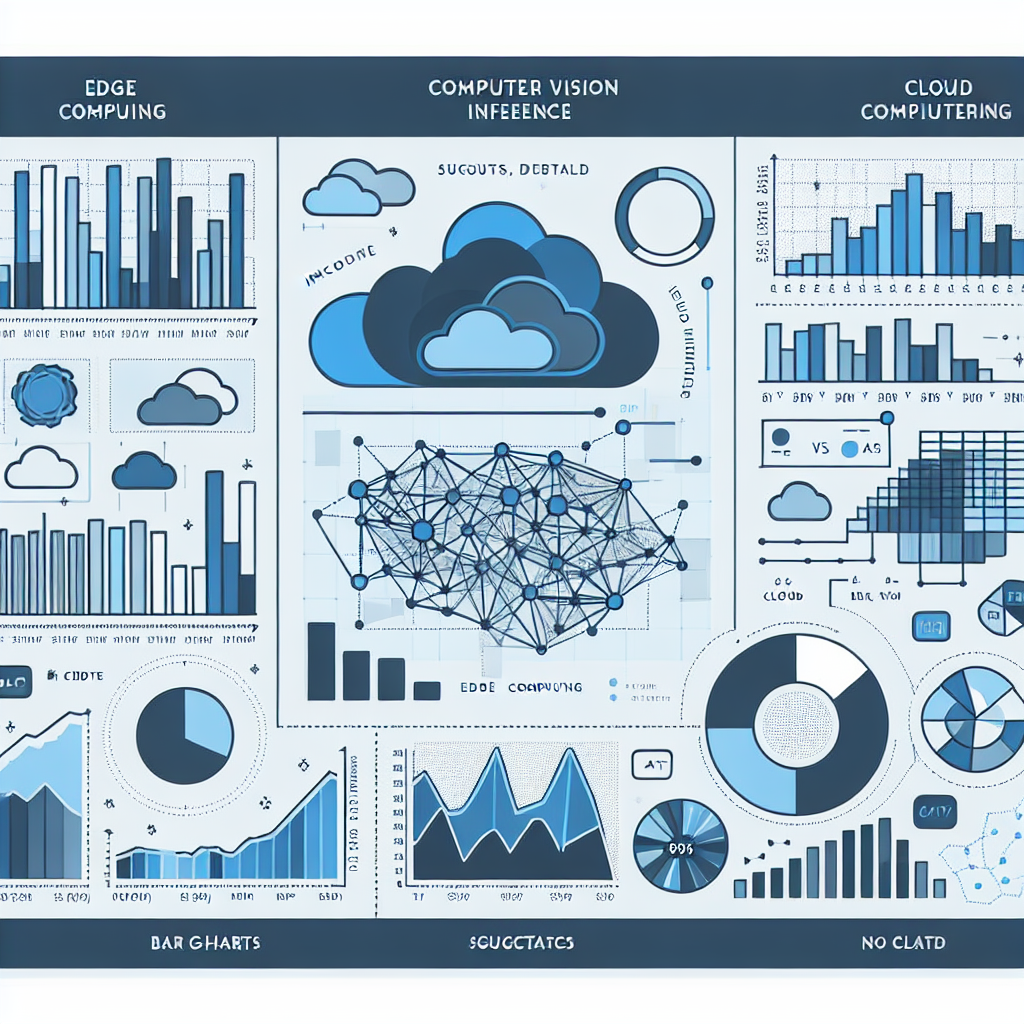
The proliferation of computer vision applications has fostered a debate between employing edge computing versus cloud computing for inference tasks. This research delves into the technological implications, performance metrics, and energy efficiency considerations of executing computer vision inference on edge devices compared to cloud platforms. By analyzing both environments, this paper aims to aid decision-makers in optimizing their computer vision workflows.
Methodology
This study employs a comparative analysis approach, focusing on latency, bandwidth usage, computational power, and energy consumption for computer vision inference. Data is gathered from practical experiments using representative edge devices, such as NVIDIA Jetson and Raspberry Pi, and cloud services, including Amazon Web Services (AWS) and Google Cloud Platform (GCP).
- Latency Measurement: We measure the time taken for processing a standard set of computer vision tasks, such as object detection and image classification, on both edge and cloud environments.
- Bandwidth Usage: The study examines data transfer requirements by evaluating the volume of data transmitted between devices and cloud servers.
- Computational Power and Energy Efficiency: By monitoring CPU and GPU utilization along with power consumption metrics, we assess the efficiency of edge and cloud platforms in performing computer vision tasks.
- Cost Analysis: We calculate the operational costs involved in using cloud services for inference versus deploying tasks on edge devices.
Key Findings
-
Latency: Edge devices generally offer latency under 100 ms, which is significantly lower than cloud-based solutions due to the elimination of data transmission delays. Cloud latency can vary, often exceeding 200 ms depending on network conditions.
-
Bandwidth Utilization: Cloud solutions require substantial bandwidth, as raw data must be uploaded from the device to the server. In contrast, edge computing processes data locally, reducing bandwidth usage significantly.
-
Computational Power: Cloud platforms provide scalable computational resources that can handle more complex models effortlessly. However, modern edge devices are increasingly equipped with capabilities to run sophisticated models efficiently, though with limitations on model size and complexity.
-
Energy Consumption: Edge devices consume less energy overall due to localized processing, which can be crucial for battery-powered applications. Cloud computing, while powerful, requires energy both for data transmission and server-side processing.
-
Cost Efficiency: Over time, edge computing often proves to be more cost-effective, especially for applications with continuous inference needs, due to the absence of recurring cloud service fees.
Video Reference
For a deeper understanding of edge computing in AI, refer to the video "What is Edge AI?" by Edge Impulse, which explains the fundamental concepts and advantages of deploying AI on edge devices.
References
- AWS Cloud vs. Edge Computing - A comprehensive blog post discussing the differences between cloud and edge computing specifically for AWS services.
- Google Cloud Vision AI - Official documentation on the capabilities and use cases of Google Cloud's Vision AI services.
- NVIDIA Jetson Performance - NVIDIA's documentation on the performance and specifications of its Jetson line of edge AI devices.
Future Trends
Looking ahead, the integration of more advanced AI chips in edge devices promises to further bridge the performance gap with cloud computing. Developments in 5G and beyond will enhance bandwidth capabilities, potentially making cloud solutions more viable for real-time applications. Additionally, the use of hybrid models, combining edge and cloud resources, is gaining traction for optimizing both performance and cost.
Verdict
Computer vision inference at the edge offers compelling advantages in terms of latency, energy efficiency, and cost, making it suitable for applications requiring real-time processing. However, for tasks necessitating high computational power or complex model execution, cloud computing remains a robust solution. Decision-makers should consider the specific requirements of their applications, including latency tolerance and cost constraints, when choosing between edge and cloud computing. To assist in investment tracking, consider using tools like a JSON-based Investment Tracker to manage resource allocation effectively.