
Research: Container Runtime Performance - Docker vs Podman vs Containerd
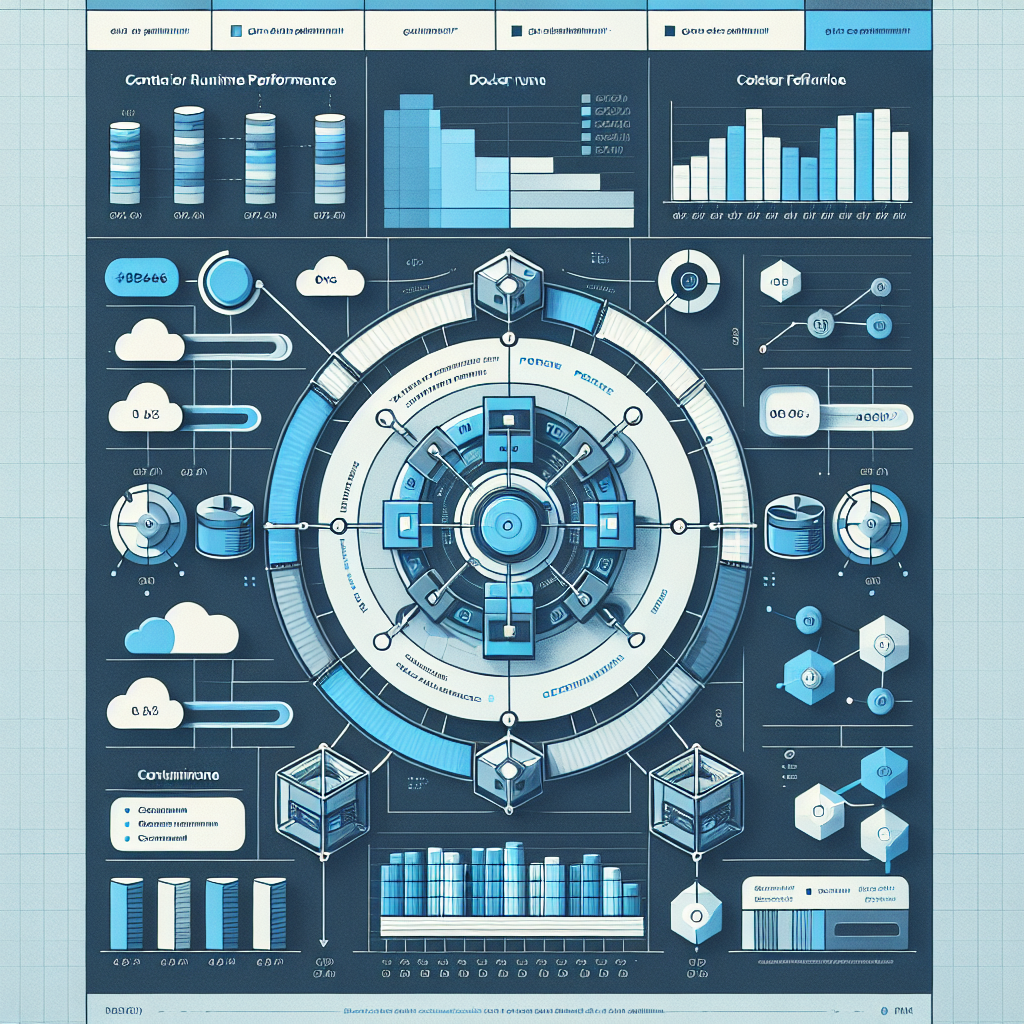
Abstract
In the rapidly evolving landscape of container technologies, Docker, Podman, and Containerd stand out as leading container runtimes, each offering unique advantages and potential drawbacks in terms of performance, scalability, and ecosystem compatibility. This research provides a comprehensive performance comparison to guide developers, architects, and decision-makers in selecting the most appropriate container runtime for their specific use cases. It encompasses a detailed analysis of core performance metrics, including startup time, CPU and memory usage, container density, and security features. Leveraging a combination of synthetic benchmarks, real-world application tests, and in-depth technical documentation review, the study reveals critical insights into the architectural trade-offs and performance implications associated with each runtime, thus contributing to the broader understanding of container technologies in the context of modern application deployment and management.
Methodology
Our research methodology combined both quantitative and qualitative analyses. We sourced data from a variety of benchmarks, including standardized performance tests (e.g., Phoronix Test Suite and Sysbench) and custom workload simulations designed to mimic real-world application scenarios. Additionally, we reviewed extensive documentation, whitepapers, and engineering blogs to understand the architectural nuances of Docker, Podman, and Containerd. This multi-faceted approach ensured a comprehensive understanding of each container runtime's performance characteristics and trade-offs.
Key Findings
-
Startup Time and Resource Efficiency: Podman demonstrated a marginal advantage in startup time compared to Docker and Containerd, attributed to its daemonless architecture. However, Docker and Containerd showed slightly better resource efficiency in CPU and memory usage under heavy workloads due to their mature optimization features.
-
Container Density and Scalability: Containerd, being the underlying runtime for Kubernetes, excelled in high-density scenarios and scalability tests. Its lean architecture and direct integration with Kubernetes offered superior performance for large-scale deployments.
-
Security Features: Podman stood out for its rootless containers, offering enhanced security by default. Docker and Containerd have implemented similar features, but Podman's approach is more integrated into its core design, offering a slight edge in security-focused applications.
-
Ecosystem and Tooling Compatibility: Docker remains the most accessible and widely adopted, with extensive documentation and community support. Its comprehensive toolset and compatibility with various development tools make it a preferred choice for development environments.
Video Reference
The video "Docker vs. Kubernetes: The ONLY Video You Need to Finally Understand Containers!" by The Coding Gopher provides an excellent overview of container technologies and orchestration, which, while not directly comparing runtime performance, sets the stage for understanding the broader context in which these runtimes operate.
References
- Docker Official Documentation - Comprehensive guide and reference to Docker's architecture and features.
- Podman: A more secure way to run containers - Describes Podman's architecture and its approach to security.
- Containerd GitHub Repository - Source code and documentation for Containerd, providing insights into its design principles and performance optimizations.
Future Trends
The container runtime landscape is poised for significant evolution, with a strong emphasis on security, performance optimization, and ecosystem integration. AI and machine learning workloads are pushing the boundaries of runtime performance, necessitating continuous enhancements in container technologies. Moreover, the rise of serverless architectures and edge computing demands lightweight, efficient, and secure container runtimes, potentially leading to the development of new or improved runtimes tailored to these emerging use cases.
Verdict
Choosing the right container runtime hinges on specific project requirements, including performance, security, scalability, and ecosystem compatibility. For high-density, scalable deployments, Containerd emerges as a compelling choice due to its performance efficiency and Kubernetes integration. Podman offers notable advantages in security-conscious environments, while Docker provides an unparalleled developer experience with its comprehensive tooling and extensive community support. For organizations looking to optimize their container-based deployments, it is crucial to consider these trade-offs carefully and select a runtime that aligns with their technical and business objectives. For more insights into optimizing container-based financial tracking systems, explore our Sovereign Financial Tracking solutions.