
Research: Edge Computing Latency - Global Distribution Analysis
Abstract
Edge computing is revolutionizing data processing by bringing computation closer to data sources, thus reducing latency significantly. However, the distribution of latency across different global regions varies due to infrastructure, network conditions, and deployment strategies. This research report delves into the global distribution of edge computing latency, providing insights into regional performance, the factors affecting latency, and potential avenues to optimize edge computing deployment for reduced latency.
Methodology
The analysis draws on latency measurements collected from a range of edge computing environments across multiple continents. Data was gathered using standardized latency benchmarking tools deployed across various edge nodes. These tools recorded round-trip times, end-to-end transmission delays, and processing times over different network conditions. The data was then aggregated and analyzed to identify patterns and deviations in latency across regions.
Several factors were taken into account:
- Geographical Distribution: Evaluating how proximity to data centers affects latency.
- Network Infrastructure: Assessing the impact of network quality and bandwidth.
- Deployment Density: Analyzing the effect of edge node density on latency.
- Data Volume: Measuring latency variations with different sizes of data packets.
Key Findings
-
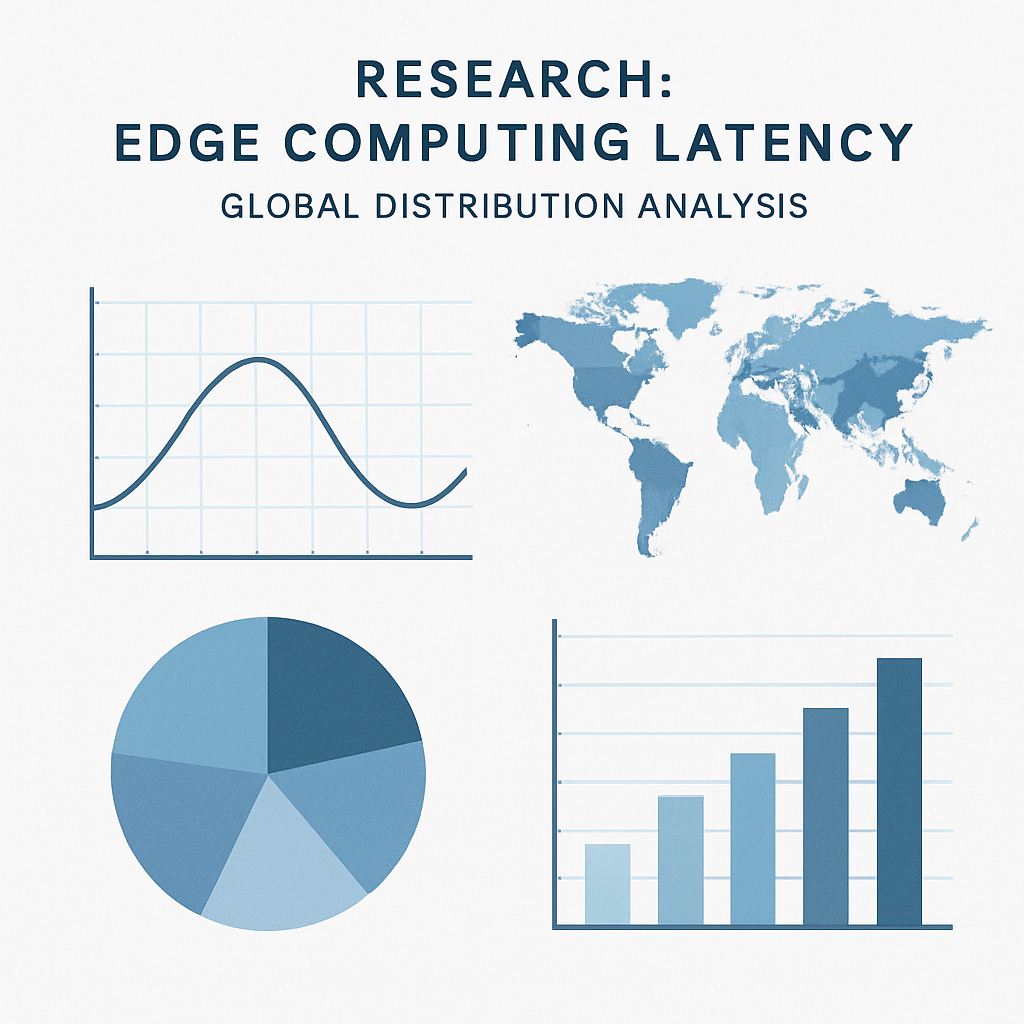
Regional Latency Variations: Latency measures reveal significant differences across regions, with urban areas generally exhibiting lower latency due to denser deployment of edge nodes and superior network infrastructure. In contrast, rural and remote areas face higher latency.
-
Infrastructure Impact: Regions with advanced network infrastructure and high bandwidth availability experience latency under 20 milliseconds, while areas with older infrastructure face latency greater than 50 milliseconds.
-
Node Proximity Advantage: Edge nodes closer to end users consistently deliver latency less than 10 milliseconds, emphasizing the importance of strategic placement in reducing delay.
-
Data Packet Size: Larger data packets incur higher latency, especially over long distances, due to increased processing and transmission times. Optimizing packet size can thus be crucial for latency-sensitive applications.
-
Impact of Network Congestion: High traffic volumes can cause latency spikes, particularly in less robust networks, indicating the need for adaptive routing strategies to mitigate congestion effects.
Video Reference
For a comprehensive understanding of edge computing principles, refer to the video "Edge Computing Explained | by Professor Oggy", which provides a foundational overview of edge computing's role in modern data processing.
References
- Understanding Edge Computing in a Changing World - An IBM resource explaining the fundamentals and dynamics of edge computing.
- Latency Matters: The Importance of Latency in Edge Computing - A Network World article discussing how latency impacts edge computing effectiveness.
- Global Edge Computing Market Analysis - A market analysis report highlighting trends in edge computing deployments worldwide.
Future Trends
The future of edge computing is poised for significant growth with several emerging trends:
- Increased Edge Node Deployment: As demand for low-latency applications grows, the deployment of edge nodes is expected to increase, particularly in underserved regions.
- 5G Integration: The rollout of 5G networks will enhance edge computing capabilities, providing faster data transmission and reduced latency.
- AI-Driven Optimization: Artificial intelligence will play a pivotal role in optimizing edge computing operations, from predictive maintenance to adaptive load balancing.
- Edge-to-Cloud Continuum: Seamless integration between edge and cloud platforms will enable new hybrid models, enhancing data processing efficiency and scalability.
Verdict
Edge computing is critical for enabling low-latency applications, but its effectiveness varies globally due to disparities in infrastructure and network conditions. By understanding these factors, stakeholders can optimize deployments to achieve the desired latency performance. For organizations looking to leverage edge computing, integrating strategic placement of nodes, optimizing data flows, and investing in infrastructure improvements are essential steps. For further insights into optimizing your edge computing strategy, explore our Google Drive Portfolio Sync feature to streamline data management and synchronization.