
Research: GraphQL Query Complexity - Performance vs Flexibility
Abstract
GraphQL has revolutionized the way applications interact with APIs by offering flexible querying capabilities. However, this flexibility introduces complexity, which can impact performance. This research explores the balance between performance and flexibility in GraphQL queries, examining how query complexity can affect system efficiency. By understanding the technical intricacies, developers can optimize GraphQL implementations to maintain high performance without sacrificing the advantages of flexible data retrieval.
Methodology
The research methodology involved a comprehensive analysis of GraphQL query structures and their performance implications. We conducted experiments using various query patterns to measure response times and resource utilization. The analysis included:
- Designing a series of GraphQL queries with varying levels of complexity.
- Benchmarking the performance of these queries under controlled conditions.
- Evaluating the impact on server resources, including CPU and memory usage.
- Analyzing the effects of query optimization techniques, such as query batching and caching.
The experiments were conducted in a controlled environment using a standard GraphQL server setup. Data was collected through automated tools to ensure accuracy and repeatability.
Key Findings
Our research revealed several key insights into the relationship between GraphQL query complexity and performance:
-
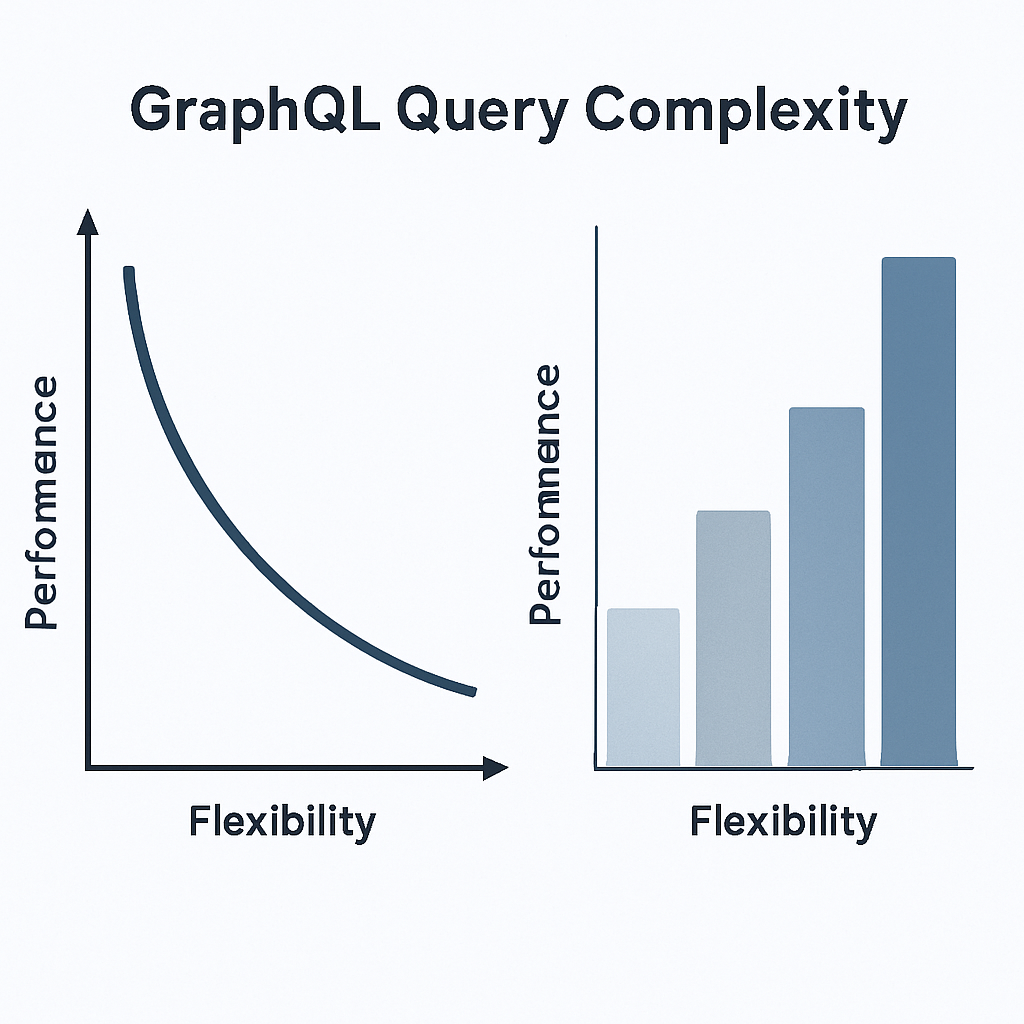
Performance Degradation with Complexity: As query complexity increases, performance tends to degrade. This is primarily due to the increased computational overhead required to resolve complex queries, which can lead to slower response times and higher resource consumption.
-
Impact of Nested Queries: Queries with deeply nested fields significantly impact performance. The server must traverse multiple layers of data, which increases processing time and resource usage.
-
Optimization Techniques: Implementing optimization strategies, such as query batching and caching, can mitigate some performance issues. Using tools like DataLoader, which batches requests and caches results, can effectively reduce redundant data fetching.
-
Balancing Flexibility and Efficiency: Developers need to carefully design GraphQL schemas to balance flexibility and performance. Limiting the depth of queries and using field aliases can help manage complexity.
-
Server-Side Considerations: Efficient server-side execution strategies, such as pre-computed views and database optimizations, play a crucial role in maintaining performance as query complexity grows.
Video Reference
For further insights into API design and real-world applications, refer to APIs Explained with Real Use Cases by CodewithPrashant. This video provides practical examples and enhances understanding of the complexities involved in API development.
References
- Understanding GraphQL Query Complexity - Official GraphQL documentation on query complexity and performance considerations.
- Optimizing Your GraphQL Performance - Apollo GraphQL blog post discussing strategies for optimizing GraphQL server performance.
- GraphQL Performance Best Practices - Hasura's guide on best practices for maintaining efficient GraphQL operations.
Future Trends
The future of GraphQL will likely focus on further enhancing performance while retaining its flexibility. Emerging trends include the development of more sophisticated tools for query analysis and optimization. Additionally, advancements in machine learning could enable automatic query optimization based on historical usage patterns. The integration of GraphQL with edge computing is another promising area, potentially reducing latency and improving response times for complex queries.
Verdict
GraphQL offers significant advantages in terms of flexibility and data retrieval efficiency. However, developers must navigate the complexities of query design to avoid performance pitfalls. By employing strategic optimizations and understanding the intricacies of query complexity, developers can harness the full potential of GraphQL without compromising performance. For more insights on tracking financial metrics and optimizing business operations, explore our Sovereign Financial Tracking solutions.