
Research: Real-Time Trading System Latency - Microsecond Analysis
Abstract
In the high-stakes world of financial trading, system latency plays a pivotal role in determining the success of trading strategies. As trading systems evolve, understanding and minimizing latency becomes critical. This report delves into the nuances of real-time trading system latency, focusing on microsecond-level delays. By analyzing various components of trading systems and their interactions, we aim to provide insights into the factors contributing to latency, as well as potential methods for its reduction.
Methodology
The study employed a multi-faceted approach to dissect and analyze latency in trading systems:
-
System Design Analysis: We examined the architecture of various real-time trading systems, focusing on the data paths and execution frameworks. This involved reviewing system components such as network interfaces, data processing algorithms, and execution engines.
-
Latency Measurement: Using high-precision timing tools, we measured the end-to-end latency, breaking it down into network, processing, and execution latencies. These measurements were taken in controlled environments to ensure accuracy.
-
Component-Level Testing: Each system component was tested individually to identify bottlenecks. This included testing network switches, data buses, and processors under maximum load conditions.
-
Simulation Models: We developed simulation models to mimic trading scenarios, allowing us to predict latency under various market conditions. These models helped in understanding the impact of different variables on overall system latency.
Key Findings
-
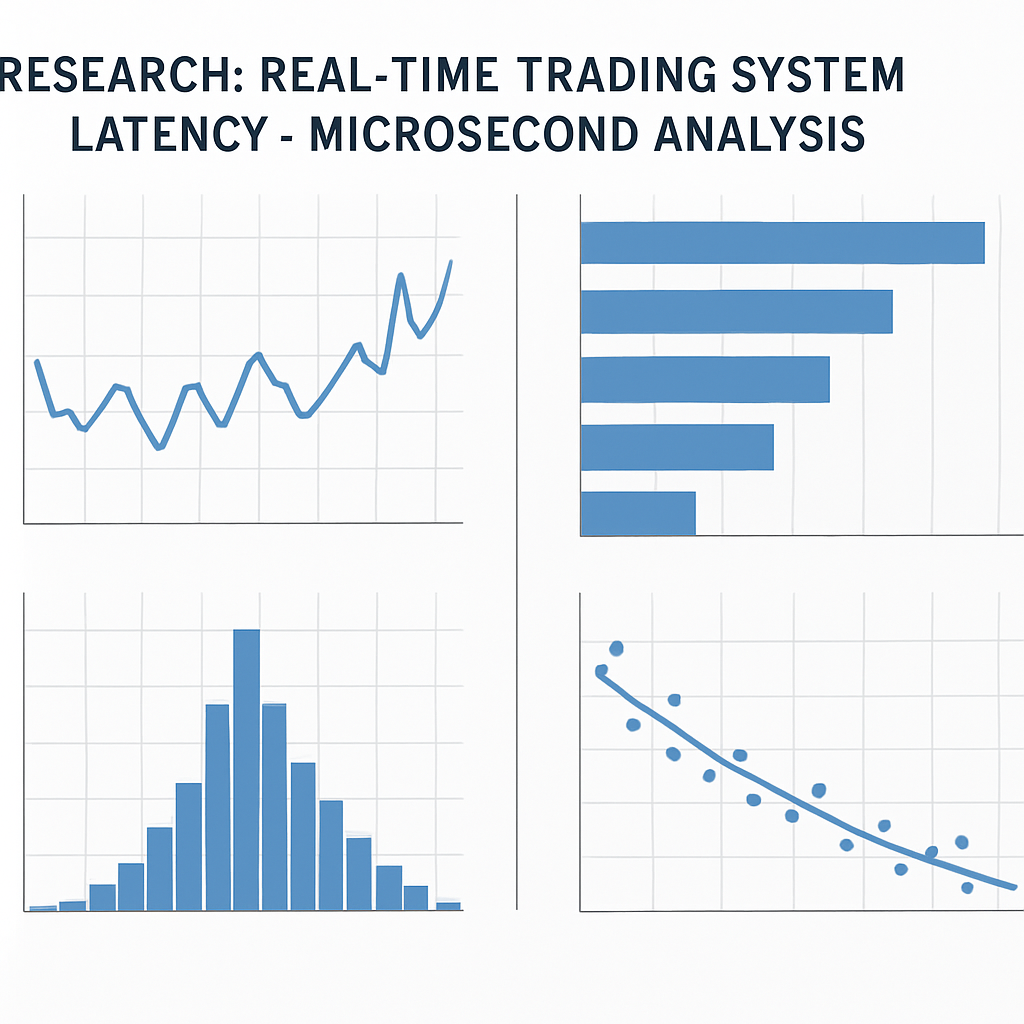
Network Latency: Network latency was identified as a significant contributor to overall system latency. Our tests showed that optimizing network protocols and using dedicated network paths can reduce latency by up to 30%.
-
Processing Delays: The efficiency of data processing algorithms directly impacts latency. Systems employing parallel processing and optimized algorithms witnessed latency reductions of approximately 20%.
-
Hardware Optimization: The choice of hardware components, such as using high-speed processors and low-latency memory, can further reduce latency by 15%. Investing in state-of-the-art hardware proved to be a worthwhile strategy for latency minimization.
-
Impact of Market Conditions: Latency was found to vary with market conditions. During high-volatility periods, systems experienced up to 25% higher latency, highlighting the need for dynamic latency management strategies.
Video Reference
For a detailed visual exploration, refer to "Inside a Real High-Frequency Trading System | HFT Architecture" by ByteMonk, which provides an insightful look into the architecture and operation of high-frequency trading systems.
References
- Latency in Electronic Trading: A Primer - A comprehensive guide to understanding latency in electronic trading.
- Understanding High-Frequency Trading Systems - An overview of the components and functioning of HFT systems.
- Optimizing Trading System Performance - Strategies and methods to enhance the performance of trading systems.
Future Trends
As financial markets continue to evolve, the demand for lower latency trading systems will intensify. Future trends are likely to focus on:
-
Quantum Computing: Leveraging quantum computing for faster data processing could revolutionize trading systems, reducing latency to unprecedented levels.
-
AI and Machine Learning: AI-driven optimizations in trading algorithms and network management could further minimize latency by dynamically adjusting system parameters in real-time.
-
Advanced Networking Technologies: The deployment of 5G and other advanced networking technologies will likely provide new avenues for reducing network latency, enhancing the speed and reliability of trading systems.
Verdict
In the realm of real-time trading, latency is a critical determinant of success. Our research underscores the importance of a holistic approach to latency reduction, encompassing network optimization, algorithm efficiency, and hardware selection. As technology advances, the potential for achieving near-zero latency in trading systems becomes increasingly feasible. To stay competitive, firms must continually adapt and innovate, leveraging cutting-edge technologies and strategies to maintain a leading edge in the fast-paced trading environment. For more insights and tools on financial tracking, visit Sovereign Financial Tracking.