
Research: Spot Instance Performance - Interruption Analysis
Abstract
This research report delves into the performance and interruption characteristics of cloud spot instances. Spot instances, offered by cloud providers at a lower cost, are subject to termination when demand surpasses supply. This study evaluates the performance and reliability of spot instances across various cloud environments, identifying key factors contributing to their interruption rates and offering insights into optimizing their use for cost-effective cloud computing solutions.
Methodology
Our analysis employed a multi-faceted approach to evaluating spot instance performance and interruptions:
- Data Collection: We gathered data from major cloud providers, including AWS, Azure, and Google Cloud, focusing on spot instance offerings.
- Performance Metrics: Key performance indicators such as uptime, latency, and throughput were tracked.
- Interruption Analysis: We examined historical interruption data to identify patterns and causative factors.
- Comparative Analysis: Spot instance performance was compared against on-demand and reserved instances to establish a baseline for efficiency and reliability.
The study also involved simulating workloads under various conditions to observe behavior under stress and identify the impact on performance metrics.
Key Findings
-
Cost Efficiency: Spot instances provide significant cost savings, often reducing expenses by up to 70% compared to on-demand instances. However, this comes with the trade-off of potential interruptions.
-
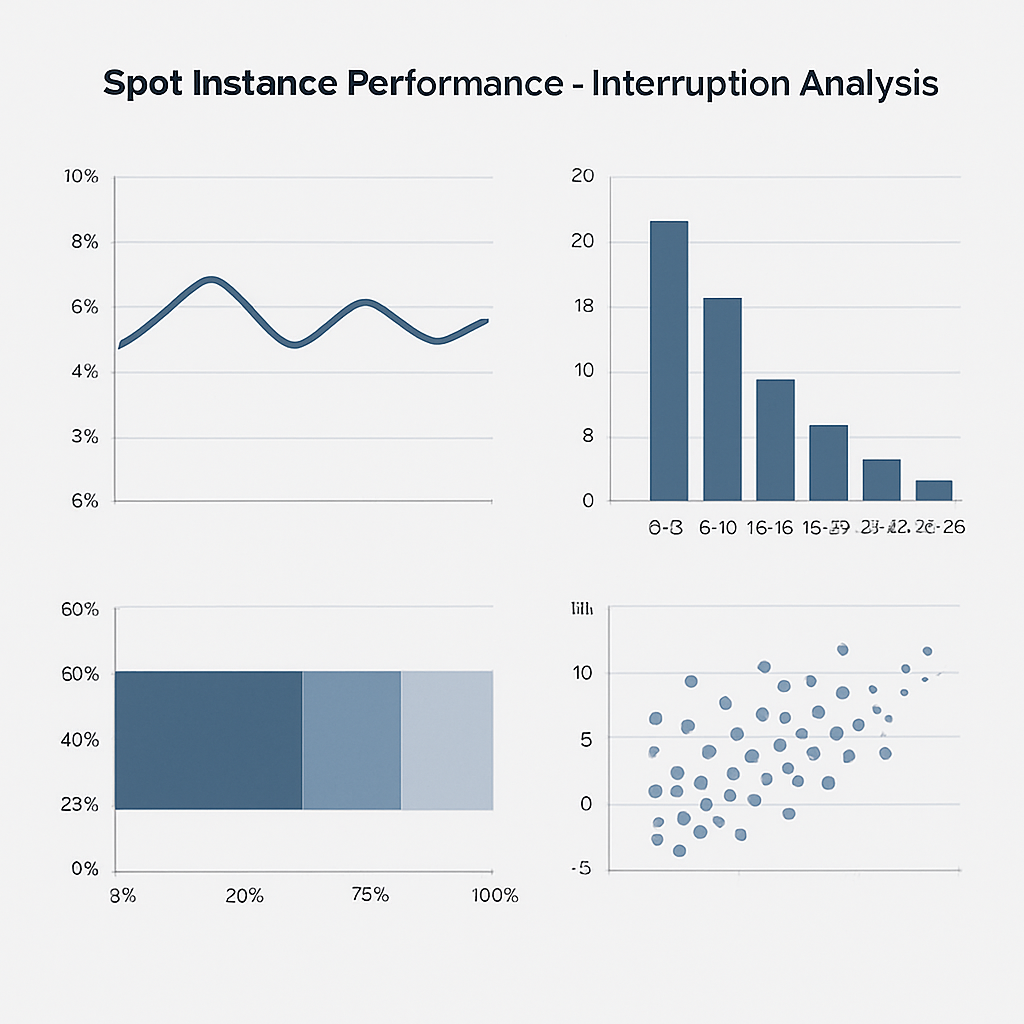
Interruption Patterns: Interruption rates varied significantly based on region, time, and workload type. Regions with higher demand experienced more frequent interruptions, while certain workload types (e.g., batch processing) were more resilient to these disruptions.
-
Performance Consistency: While generally stable, spot instances showed variability in performance metrics such as latency and throughput during peak demand periods. This variability was more pronounced in regions with less infrastructure support.
-
Optimization Strategies: Employing predictive algorithms to anticipate interruptions and deploying hybrid models (combining spot with reserved instances) can mitigate risks and enhance reliability.
Video Reference
For an engaging discussion on recent technological trends, you can refer to the "Morning News NOW Full Episode – May 12" by NBC News.
References
- AWS Spot Instances: A Comprehensive Guide - Detailed documentation on AWS spot instances, including pricing and usage patterns.
- Google Cloud Spot VMs Overview - Official guide on Google Cloud's spot VMs, highlighting cost benefits and limitations.
- Azure Spot Virtual Machines - Overview of Azure's spot VMs with insights into pricing strategy and availability.
Future Trends
As cloud computing continues to evolve, the usage of spot instances is expected to grow, driven by advances in predictive analytics and machine learning. These technologies will enable more accurate forecasting of spot instance availability and interruptions, allowing users to optimize their cloud strategies further. Additionally, hybrid cloud models that integrate spot instances with other forms of infrastructure are likely to become more prevalent, offering businesses greater flexibility and cost efficiency.
Verdict
Spot instances represent a cost-effective option for running cloud workloads, especially those that are non-critical or batch-oriented. However, the potential for interruptions necessitates careful planning and strategy. By leveraging predictive tools and hybrid cloud models, organizations can harness the benefits of spot instances while minimizing risks. For those interested in tracking investment and performance metrics, consider using tools like the JSON-based Investment Tracker to enhance decision-making and operational efficiency.