
Research: The True Cost of Vendor Lock-in in Financial Technology
Abstract
Vendor lock-in is a pressing concern in the financial technology industry, where organizations can become dependent on a single vendor for products and services. This dependency can lead to increased costs and limited flexibility. This report examines the underlying costs associated with vendor lock-in, analyzes its broader implications, and explores strategies to mitigate its impact within the fintech sector.
Methodology
The research methodology involved a comprehensive review of existing literature, case studies, and interviews with industry experts. Data was collected from financial reports, whitepapers, and official vendor documentation to ensure a well-rounded understanding of vendor lock-in in fintech. The analysis focused on both qualitative and quantitative aspects, assessing financial impacts, strategic implications, and potential mitigation strategies.
Key Findings
-
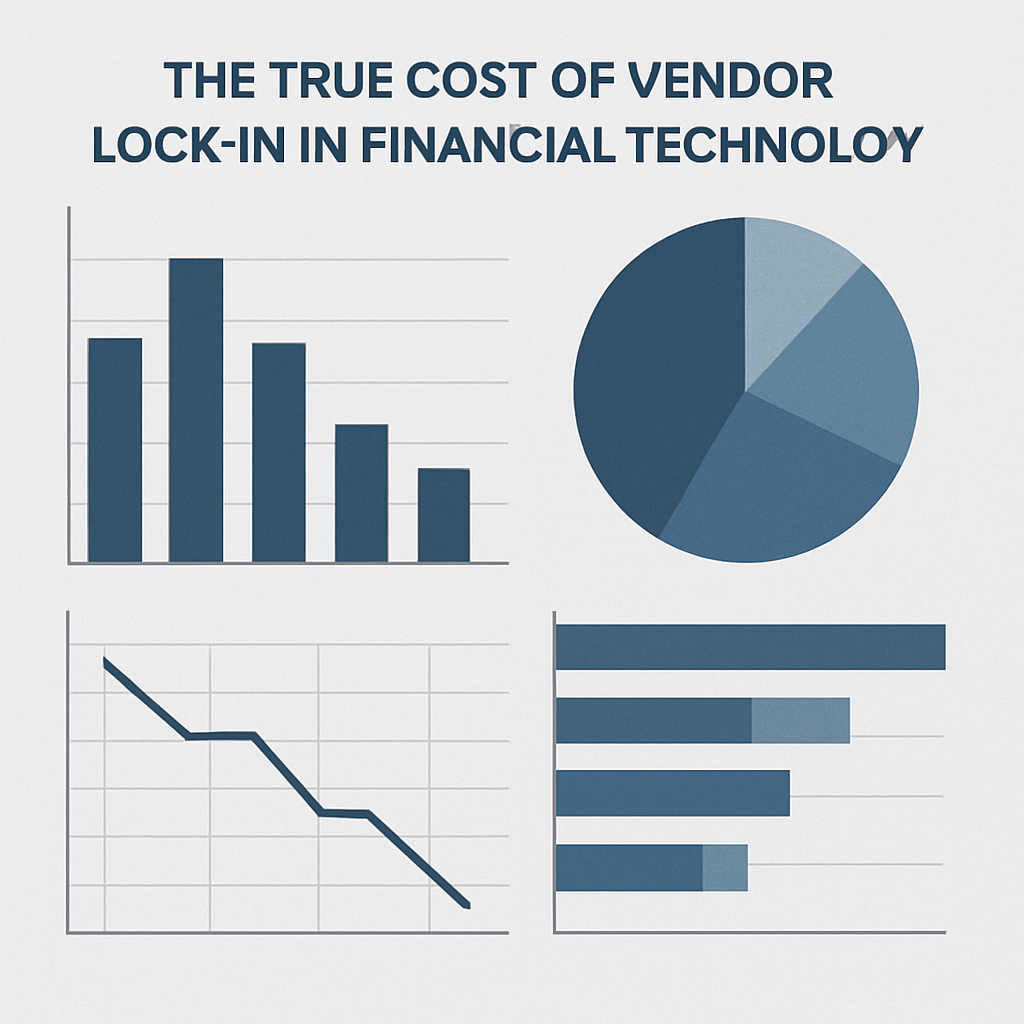
Increased Costs: Vendor lock-in often results in increased operational costs due to lack of competitive pricing and high switching costs. Companies pay premium prices for continued services and face expensive transitions if they choose to switch vendors.
-
Limited Innovation: Organizations experiencing vendor lock-in may struggle with innovation due to restricted access to new technologies. This can hinder their ability to adapt to market changes and customer demands.
-
Strategic Dependency: Relying heavily on a single vendor can lead to strategic vulnerabilities. This dependency can compromise business continuity and negotiation leverage.
-
Mitigation Strategies: To combat vendor lock-in, companies should diversify their vendor portfolios, adopt open standards, and invest in interoperability. By doing so, they can preserve flexibility and reduce dependency on any single vendor.
Video Reference
For further insights on the topic, consider watching "Vendor Lock-in Doesn't Matter" by Ned in the Cloud, which offers a different perspective on the significance of vendor lock-in in the tech industry.
References
- Understanding Vendor Lock-In in Financial Services - A detailed analysis of vendor lock-in specific to financial services.
- The Cost of Vendor Lock-In: A Financial Perspective - This whitepaper covers the financial implications of vendor lock-in.
- Strategies to Mitigate Vendor Lock-In in Fintech - Discusses practical approaches to reduce the impact of vendor lock-in in fintech.
Future Trends
As the fintech industry continues to evolve, several trends could influence the dynamics of vendor lock-in:
- Increased Interoperability: The push for open banking and APIs is likely to enhance interoperability, reducing vendor lock-in risks.
- Emergence of New Technologies: Innovations such as blockchain and decentralized finance (DeFi) can offer alternative solutions, potentially decreasing reliance on traditional vendors.
- Regulatory Pressure: Governments may impose regulations to ensure fair competition and prevent monopolistic practices, thereby mitigating vendor lock-in.
Verdict
Vendor lock-in remains a significant challenge in the financial technology sector, with substantial cost implications and strategic limitations. However, by adopting proactive strategies such as diversifying vendor relationships and embracing open standards, organizations can reduce the risks associated with vendor lock-in. For those looking to protect themselves from the pitfalls of vendor dependence, exploring solutions like Google Drive Portfolio Sync can help maintain flexibility and control over their technological infrastructure.